Living Labs
What Are Living Labs?
Living Labs are dynamic spaces where ideas come to life, tested and refined in real-world conditions. These labs:
- Serve as hubs for experimentation and co-creation with local communities.
- Pilot new initiatives, gathering data to optimize outcomes.
- Act as models for scaling successful projects to neighboring regions.
Through our Living Labs, we ensure that innovation is both practical and rooted in the realities of the people it serves.
What the Living Lab Offers
The Earth Rights Institute Living Lab provides a dynamic and transformative platform for education, research, and community engagement. It reimagines development through a hands-on, participatory approach that fosters cross-cultural collaboration and real-world problem-solving.- Innovative Educational Model: Offers experiential learning opportunities that bridge theory and practice, redefining traditional development frameworks.
- Global Collaboration: Facilitates teamwork among students, researchers, professors, and development professionals from around the world.
- Sustainable Impact: Develops creative, community-driven solutions to improve living conditions and promote sustainability.
- Academic Partnerships: Engages with universities and research institutions worldwide to expand the reach and impact of collaborative initiatives.
- Empowering Communities: Prioritizes local knowledge and participation to address poverty and advance sustainable development.
- Study Abroad Programs: Designs immersive experiences that strengthen global partnerships and cultivate future leaders in sustainable development.
The Living Lab is where innovation, education, and action meet to build a more equitable and sustainable world.
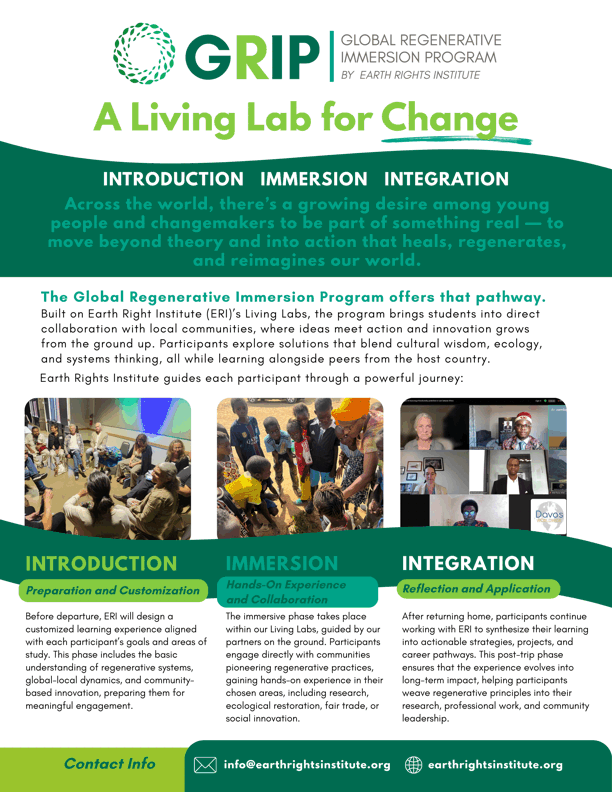
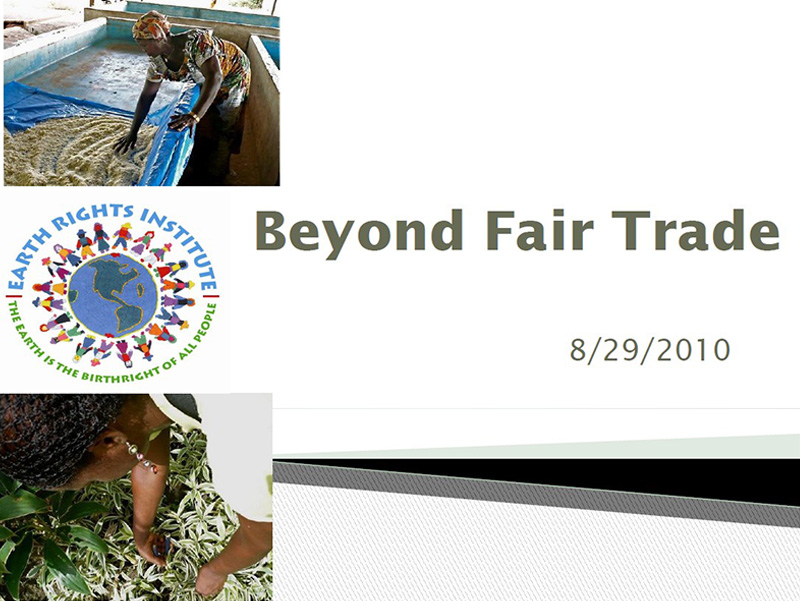
Read more about our ongoing Design programs in the following documents.
LAHEL / GAMADJI SARE MUNICIPALITY – PODOR DEPARTMENT
On March 02, 2026, an international delegation paid a visit to the headquarters of REDES (Network for the Emergence of the Sahel Ecovillages), located in Lahel, in the commune of Gamadji Saré, Podor Department, in northern Senegal.
Welcomed by Dr. Ousmane Aly Pam, president of REDES, the visitors discovered a vast area of several hectares, today transformed into a true ecological regeneration space. Once marked by desert advancement, the area is now covered with shady trees, fruit species and diverse crops, a testament to sustained land restoration work.
This visit is part of a long-standing partnership with the Earth Rights Institute, whose Executive Director is visiting Senegal for the fourth time. Since 2009, an active collaboration has been around the Eco-Villages movement and initiatives to regenerate lands affected by climate change and inadapted development models.
The initiative, hailed by international partners, highlights an approach based on community engagement and international cooperation. In Lahel, the results are visible: once arid lands are reborn, offering a concrete model of resilience to climate challenges.
The REDES approach is based on a strong local mobilization, independent of large institutional programs, and centered on solidarity, the transfer of knowledge and the sustainable restoration of ecosystems.
Through this spectacular transformation, the Sahel demonstrates that another path is possible: that of sustainable, inclusive development and bringing hope for future generations.